Santolina chamaecyparissus
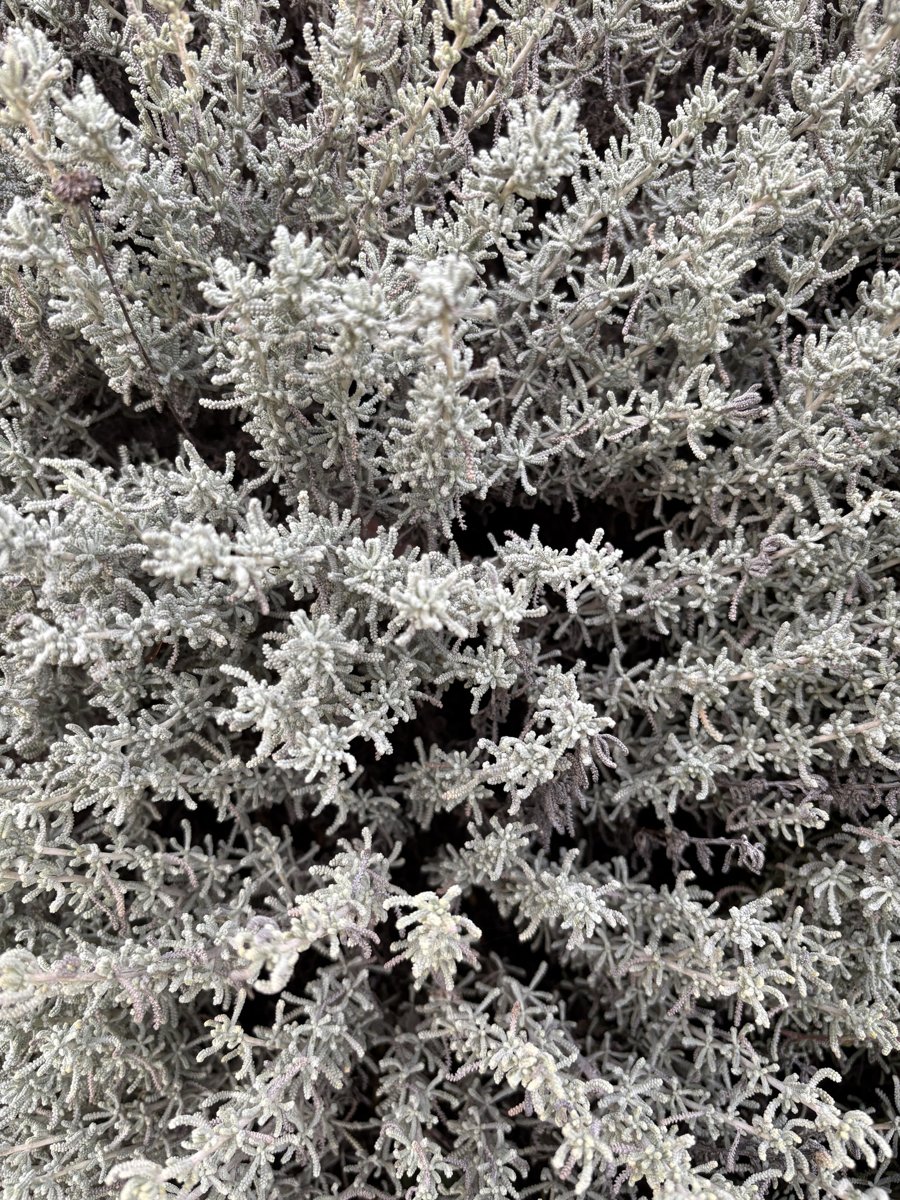
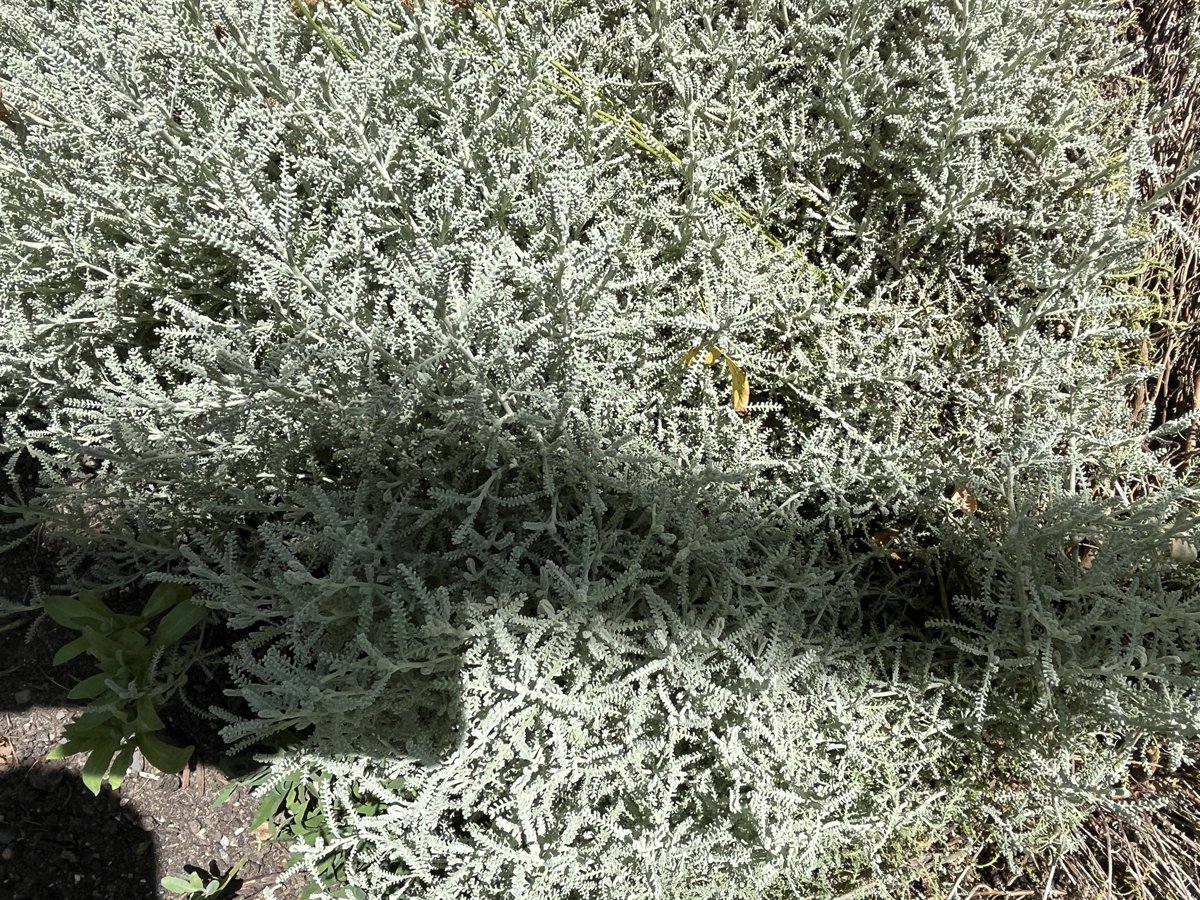
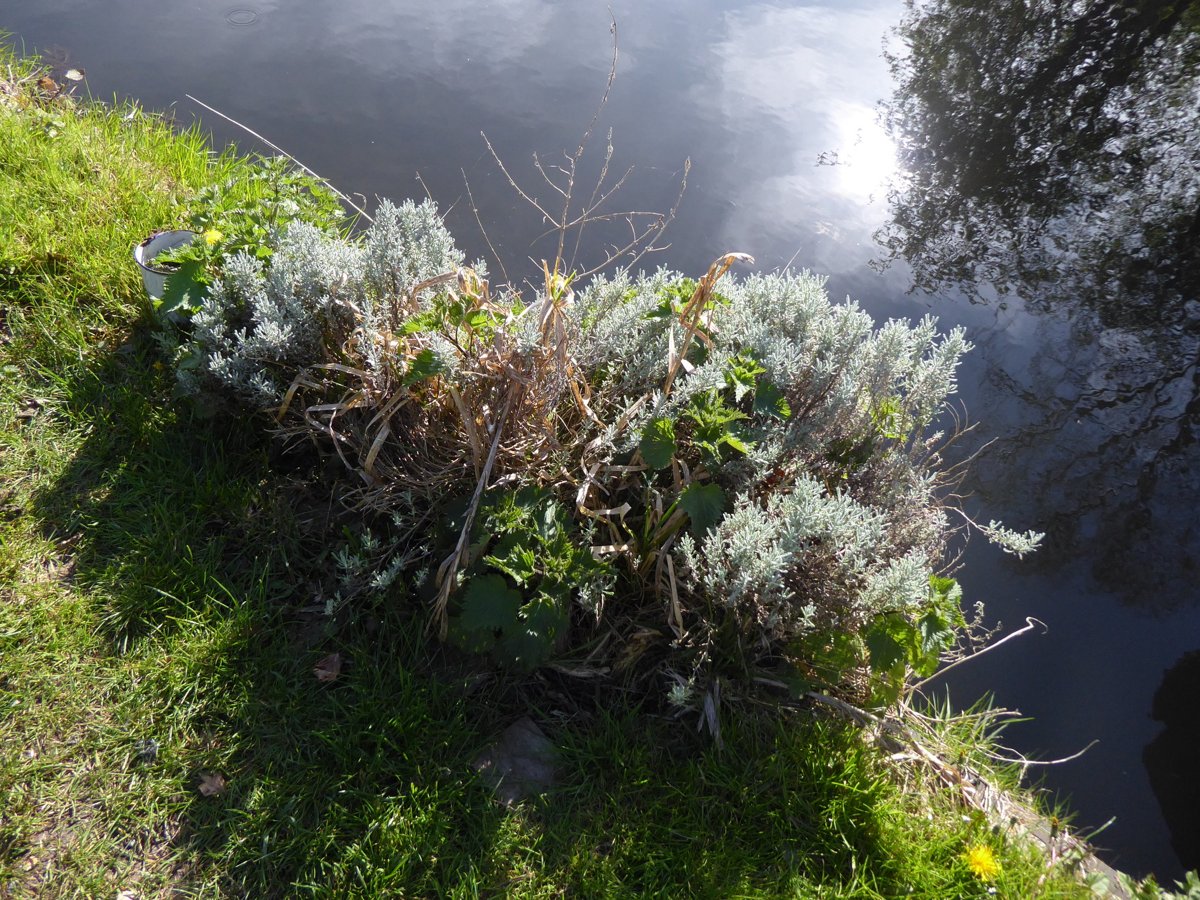
Cotton Lavender (Santolina chamaecyparissus) is a perennial herb with silvery-green foliage and pale yellow daisy‑like flowers. It is mainly used for its mild antiseptic and anti‑inflammatory properties, commonly brewed as an herbal tea for coughs, colds, or to soothe skin irritation, and its essential oil is sometimes applied topically for its soothing aroma. Because it may trigger skin irritation, allergic contact dermatitis, or photodermatitis in sensitive individuals, it should be used cautiously on the skin and is not recommended for ingestion without medical guidance.
Source: PMC: Lavender
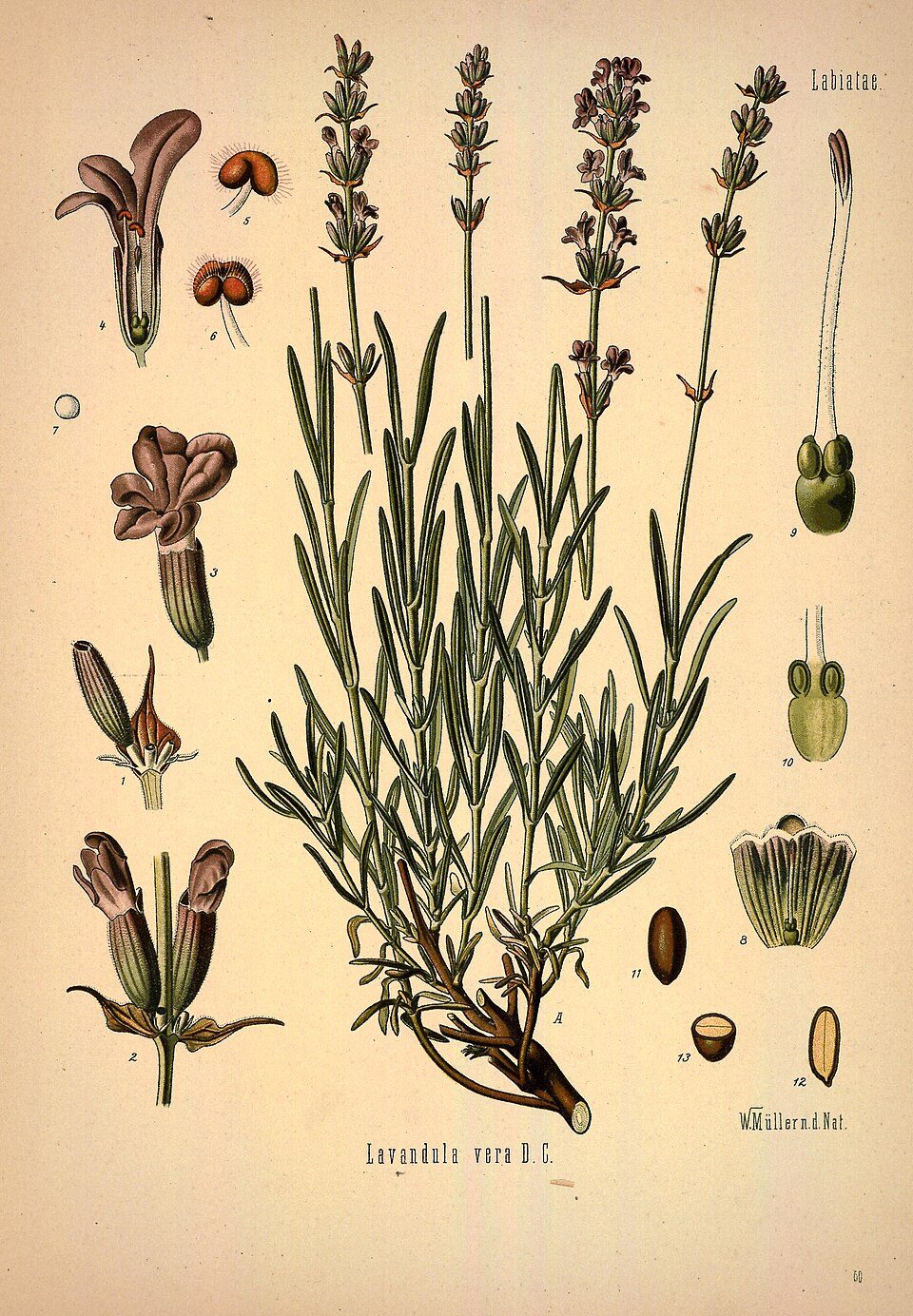
| Scientific Name | Santolina chamaecyparissus |
| Safety Rating | N/A |
| Evidence Level | N/A |
50 products from NIH DSLD database (verified label data)
| Herb | Scientific Name | Why related |
|---|---|---|
Lavender |
Lavandula angustifolia (Silexan®) | shares 158 product(s) |
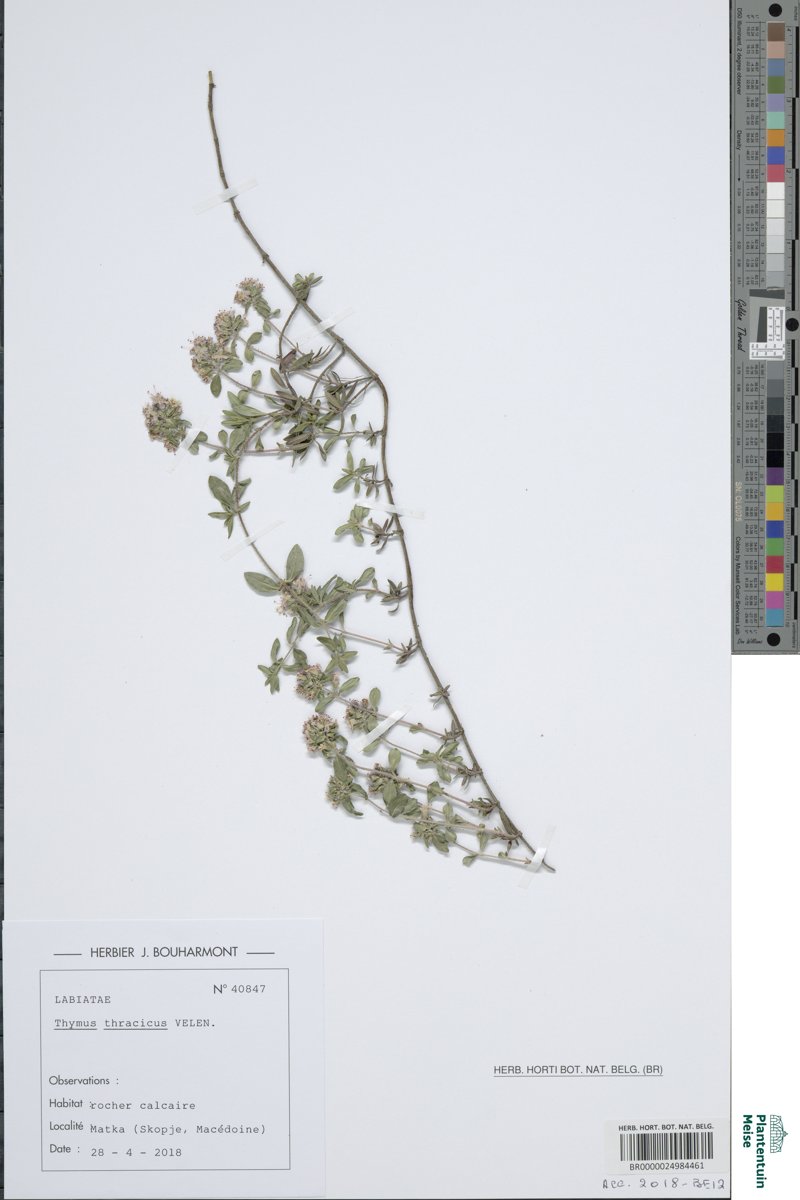
Lavender Thyme |
Thymus thracicus | shares 158 product(s) |
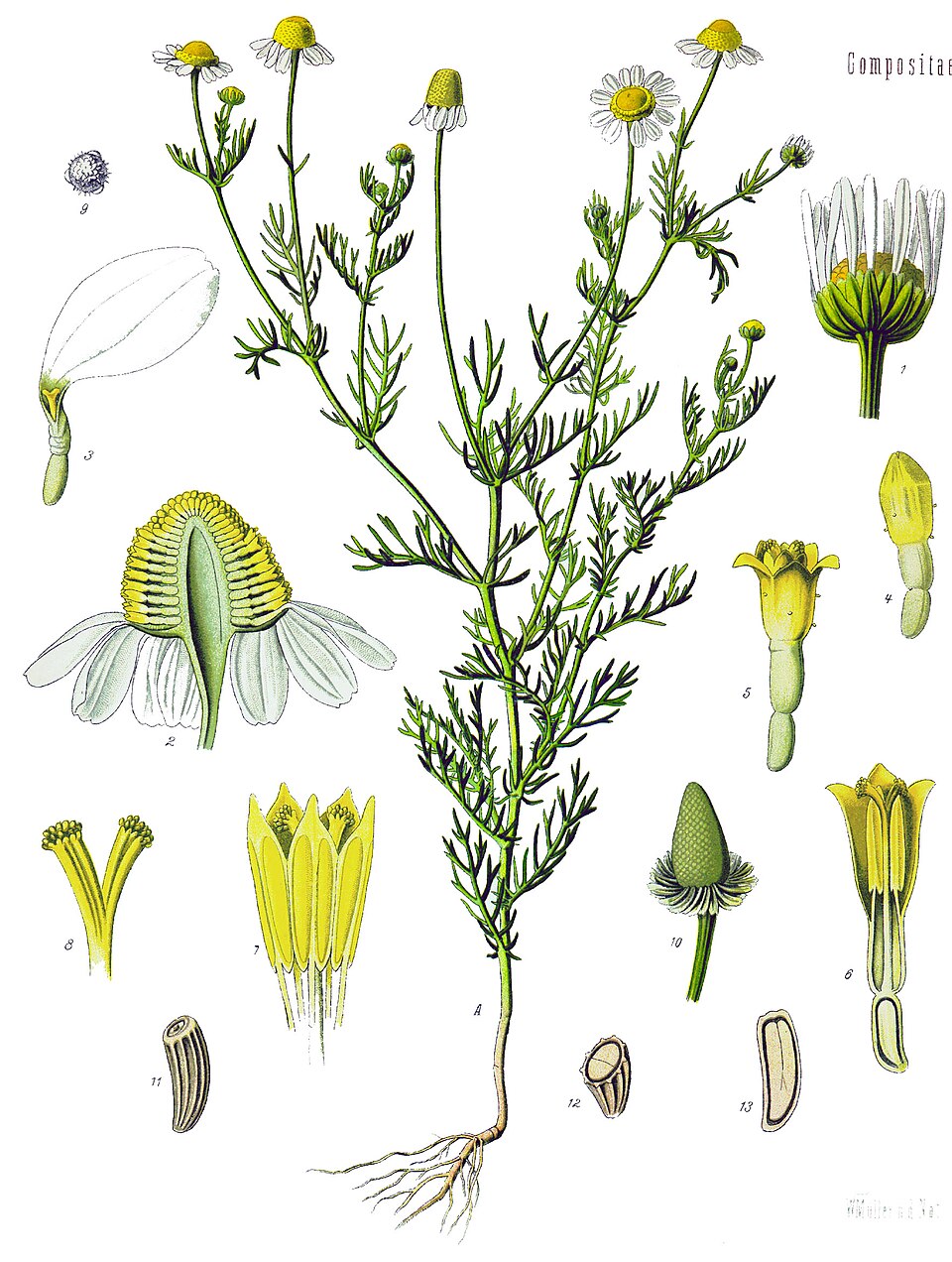
Chamomile Flower |
Matricaria chamomilla | shares 24 product(s) |
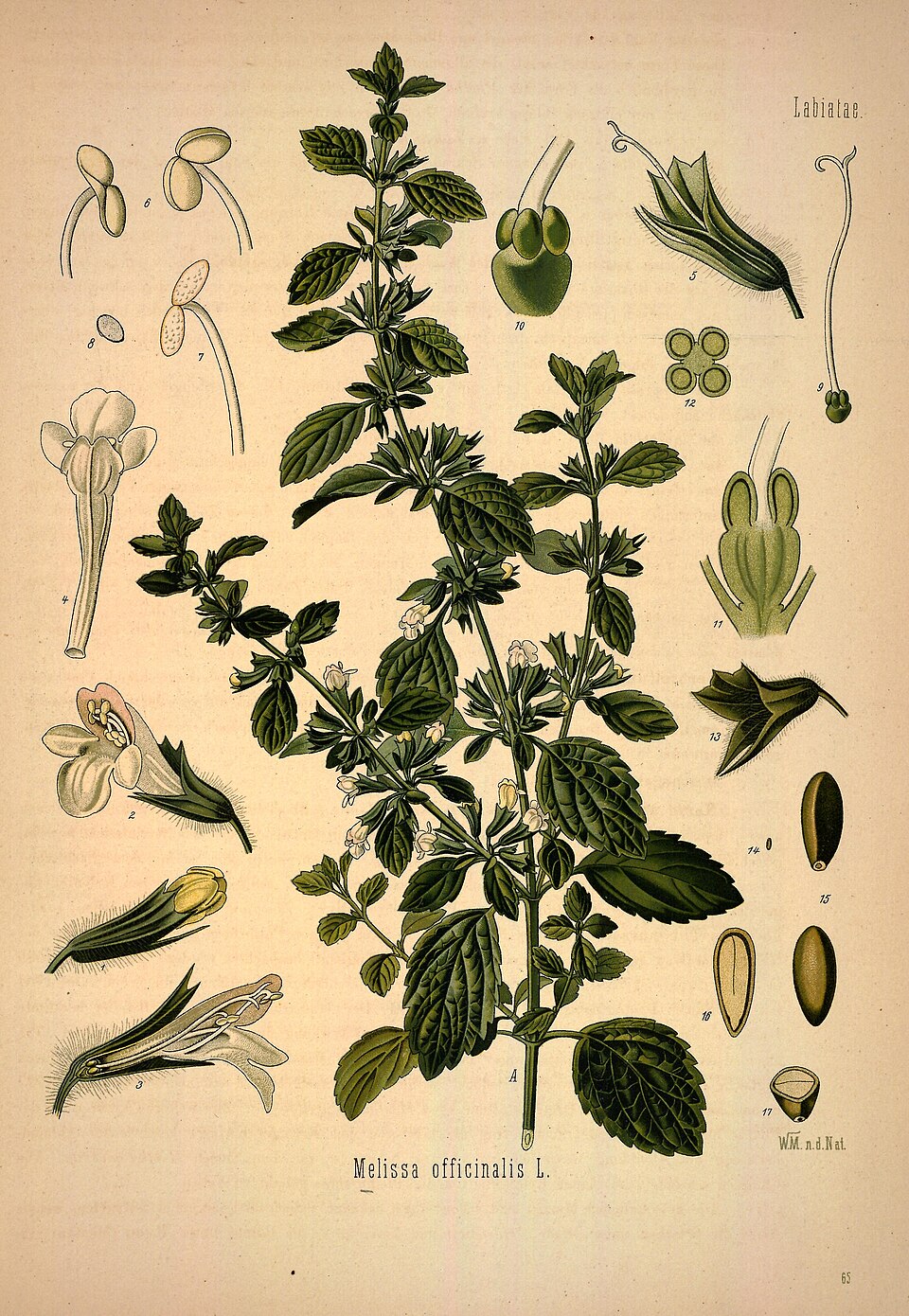
Lemon Balm |
Melissa officinalis | shares 24 product(s) |
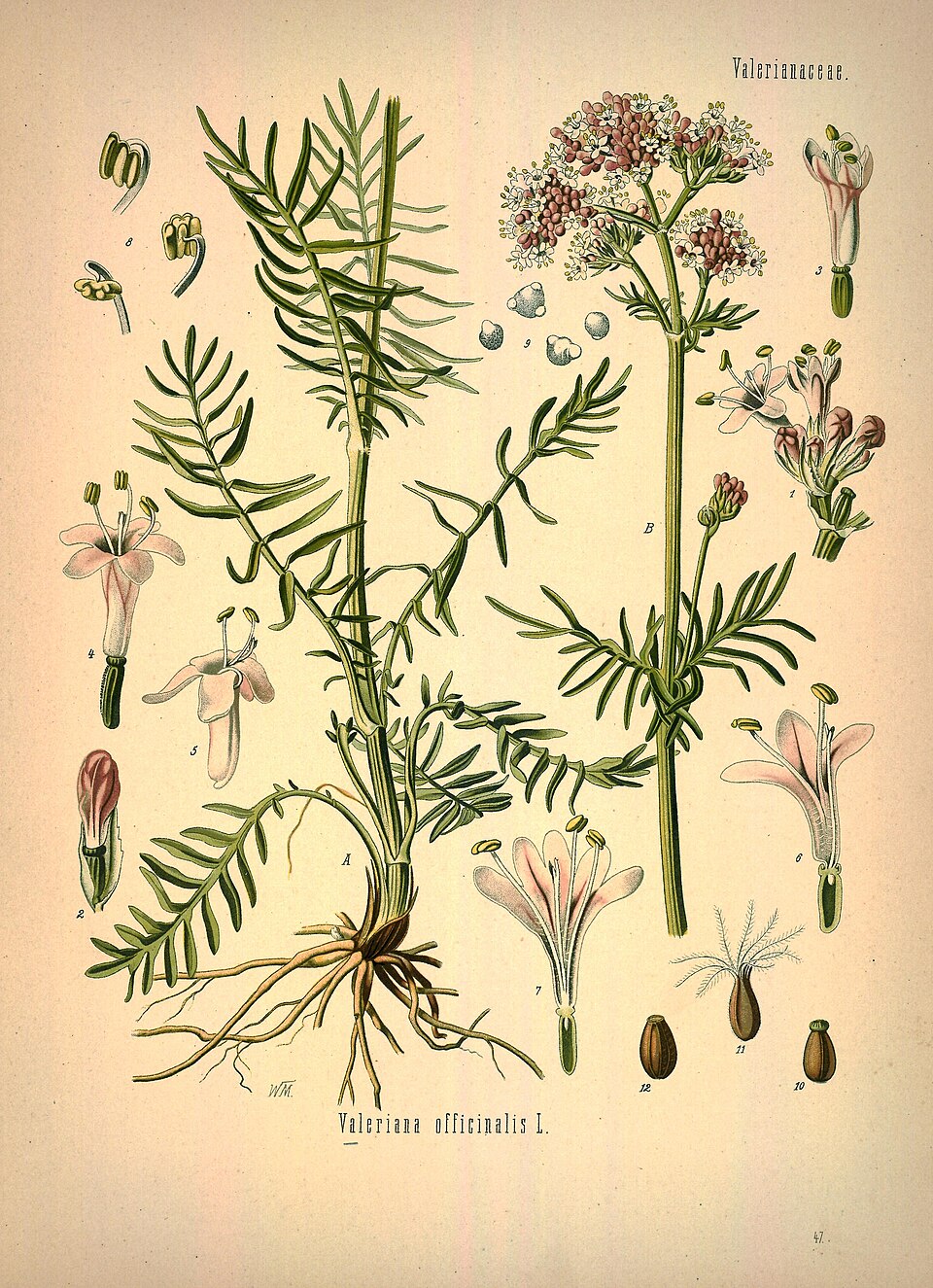
Valerian |
Valeriana officinalis | shares 24 product(s) |
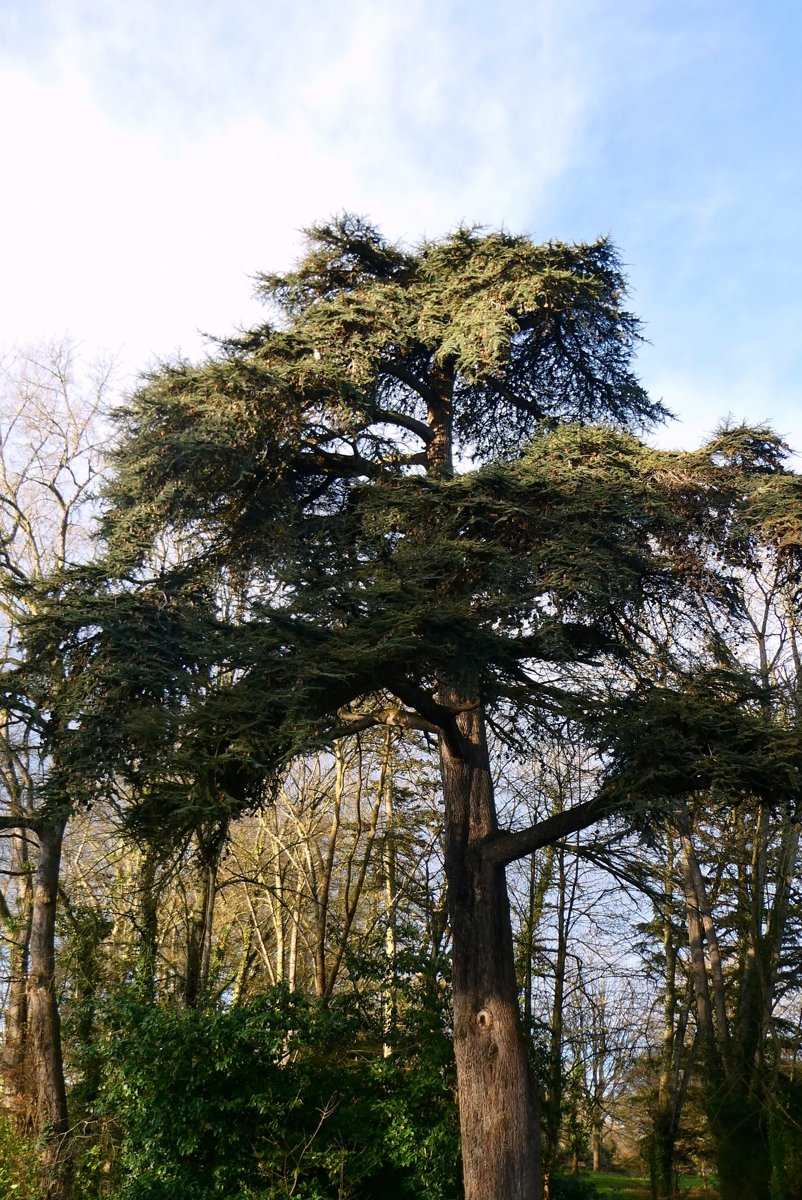
Cedar Lebanon |
Cedrus libani | similar summary terms |
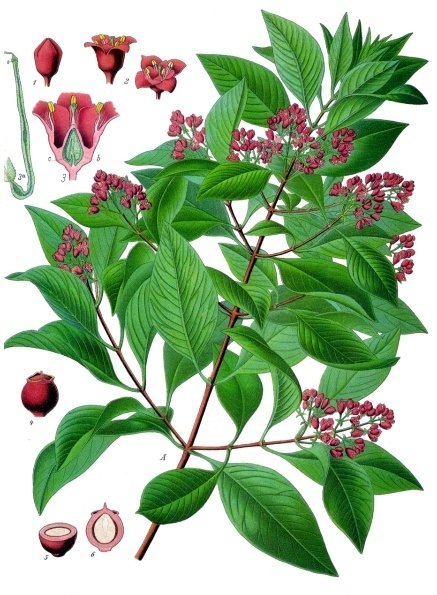
Sandalwood |
Santalum album | similar summary terms |
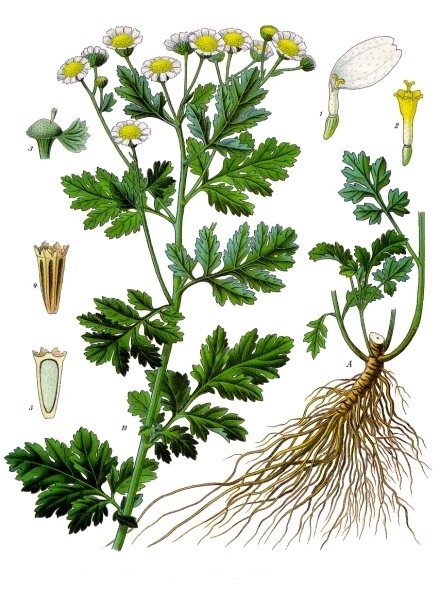
Feverfew |
Tanacetum parthenium | similar summary terms |
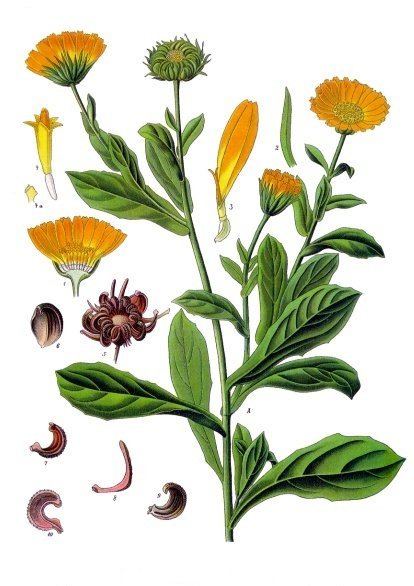
Calendula officinalis |
Calendula officinalis | similar summary terms |
White Buttercup |
Turnera subulata | similar summary terms |
Ask the RAG about Cotton Lavender — get evidence-based answers from WHO monographs and pharmacognosy textbooks.
Or browse the product search to find more products.